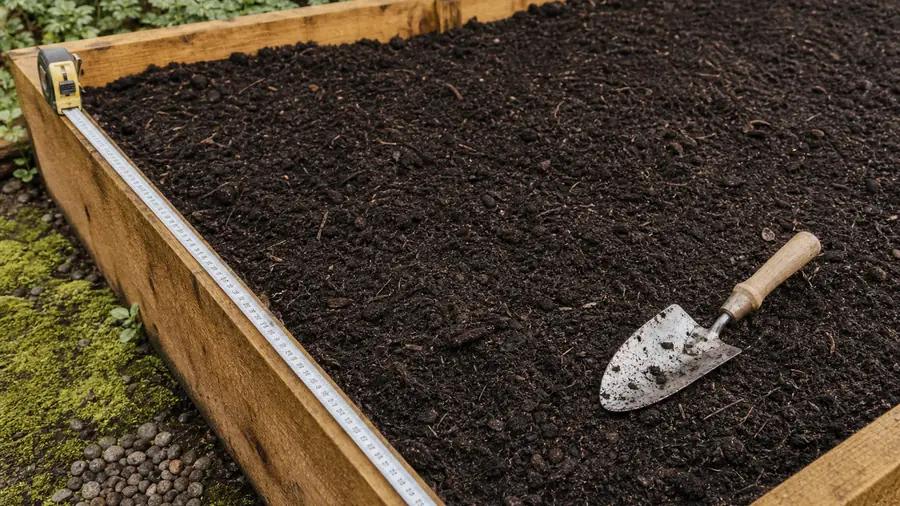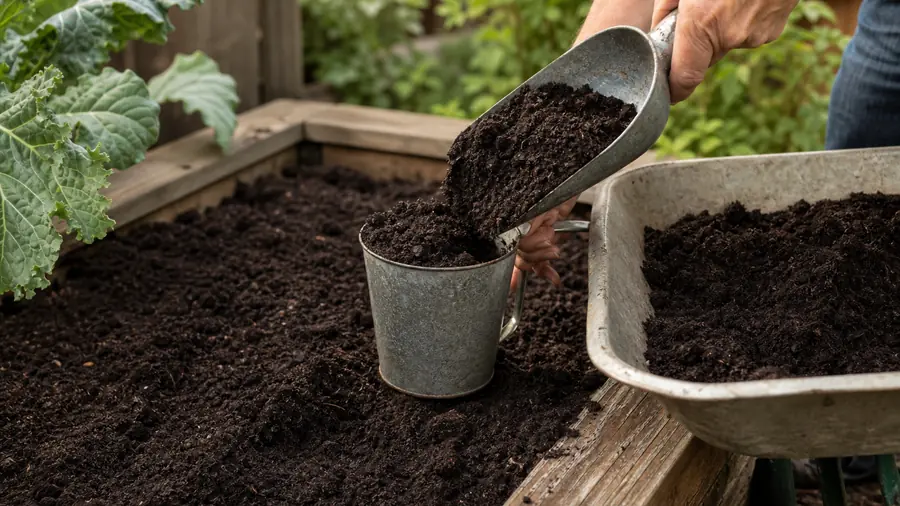

Bagged mulch and loose bulk mulch use different sales units. A retail label lists cubic feet per bag, while a landscape supplier quotes cubic yards and may add a minimum order or delivery charge. Comparing the sticker prices alone leaves the two offers on different scales.
Start with one measured project volume. Convert that volume into whole bags and billed bulk yards, then add delivery, quoted tax or fees, and any handling value you choose to track. This method works for a five-bag top-up, a full-yard refresh, or a larger delivery.
Is bagged or bulk mulch cheaper for your project?
Bulk mulch wins only when its complete local total is lower for the same usable volume and product. A bag sale can beat a small delivery. A larger project can make the bulk fee easier to absorb. Use the worksheet below instead of a fixed one-yard or three-yard rule.
Calculate the required mulch volumeEditable quote worksheet
Compare your bag and bulk totals
The starting values form the worked example below. Replace each one with the volume, label, and written quotes for your project.
34 whole bags × $3.75 = $127.50 material cost
3.00 billed yd³ × $42.00 = $126.00 material cost
$45.50 separates the entered totals.
Handling value is optional. Use it only when you want to assign a dollar amount to loading, unloading, bag disposal, pile cleanup, or wheelbarrow travel.
There is no universal bulk-mulch break-even point
The crossover changes with bag volume, sale price, bulk minimum, delivery, taxes, and access. Two neighbors can reach different answers for the same number of cubic yards.
Many comparison pages recommend bags below a fixed volume and bulk above it. That shortcut assumes local prices and fees that may not match your checkout. A retailer can discount bags or deliver them as part of a larger order. A supplier can charge a delivery fee, enforce a minimum billed quantity, or offer customer pickup.
Product choice can also invalidate the comparison. Dyed bark, pine fines, arborist chips, and shredded hardwood do not become interchangeable because each option uses the word “mulch.” Compare the material you would accept for the same bed, then compare its cost.
Put bags and bulk into the same unit
Multiply required cubic yards by 27 to get cubic feet. Divide by the volume printed on one bag, then round upward to a whole bag.
One cubic yard contains 27 cubic feet. GardenMeasure follows the NIST conversion factors. The bag count formula is:
Whole bags = ceiling of (required yd³ × 27 ÷ bag ft³)
The ceiling step matters. A 2.5-cubic-yard project contains 67.5 cubic feet. A 2-cubic-foot bag count equals 33.75, so the store purchase requires 34 whole bags. A different package volume changes that result; use the label instead of assuming every bag holds the same amount. Use the mulch and soil bag-size comparison when package labels use different volume units.
Bulk material cost uses the quantity the supplier will bill. If the project needs 2.5 yards and the supplier bills at least 3 yards, calculate material cost from 3 yards. If a written quote rounds the order to another increment, enter that billed quantity as the worksheet minimum.
The Iowa State University Extension method calculates mulch from area and depth before converting cubic feet to cubic yards. Use the Mulch Calculator for that quantity step. If the bed boundary is awkward, measure it with the irregular garden bed guide first.
Worked example: bags beat a small bulk delivery
In this illustration, a bag sale costs $45.50 less because the bulk quote bills a 3-yard minimum and adds delivery. These are worksheet inputs, not national mulch prices.
| Cost line | Bagged quote | Bulk quote |
|---|---|---|
| Material | 34 bags × $3.75 = $127.50 | 3 billed yd³ × $42 = $126 |
| Delivery or pickup | $0 | $55 |
| Tax and quoted fees | $15 | $12 |
| Entered handling value | $20 | $15 |
| Complete entered total | $162.50 | $208 |
The bulk material line starts slightly lower than the bagged material line, but the final result reverses after delivery and the minimum order. Change the worksheet to 5 required yards while keeping the example quotes and the two totals move close together: $290 for bags and $292 for bulk. A small change to either local price can then change the lower option.
Do not copy these dollar amounts into a real order. Photograph the bag label, save the retailer cart, and ask the bulk supplier for a written total. Enter the numbers from those records.
Price the transport and handling plan you will use
Add retailer delivery, supplier delivery, pickup fuel, rental, and any handling value that affects your decision. Leave handling at zero when you want a cash-only comparison.
Bags divide the load into sealed units that can move through a narrow gate or wait for another work session. The tradeoff is the number of units you must load, unload, open, and dispose of. The worksheet reports the bag count so you can judge that work before buying.
Bulk delivery places one loose pile at an approved drop point. You need space for the truck, permission to use the location, and a route from the pile to each bed. Ask the supplier where the driver can unload and whether the surface, slope, overhead clearance, or street rules limit delivery.
Once bulk wins the quote comparison, use the bulk soil and mulch delivery checklist to record the order, truck access, marked drop zone, inspection, cover, and cleanup plan.
Customer pickup removes a delivery charge but creates a payload decision. Mulch weight changes with moisture and product. Ask the supplier for the load weight and follow the vehicle, trailer, tire, and legal limits. A cubic-yard volume does not certify that a vehicle can carry the material.
| Project condition | Bagged option | Bulk option |
|---|---|---|
| Access | Carry individual bags | Confirm truck and wheelbarrow routes |
| Staging | Keep unopened bags together | Approve a loose-pile location |
| Shortage | Buy another matching bag if available | A second delivery may add another fee |
| Leftover | Record unopened package count | Plan where loose material will go |
Compare the product before comparing the price
Ask for the mulch type, source, particle size, color treatment, and batch information on both quotes. A lower price has little value when it buys a product you would reject.
Read the bag's product name and volume statement. For bulk, visit the supplier or request a current sample when appearance matters. Ask whether the delivered load will match that sample and whether a quoted yard means a loose bucket, a measured bin, or another supplier-defined unit.
Keep connected, visible beds in mind when batches can differ in texture or color. Confirm stock before opening bags or scheduling a load. GardenMeasure does not assign a quality score to either format because the seller and product determine those details.
Collect both quotes before paying
Record enough detail to reproduce each total. A phone quote without package volume, billed yards, fees, or delivery terms cannot support a fair comparison.
- Required cubic yards from the measured project.
- Bag volume, price, available quantity, tax, and delivery total.
- Bulk price per yard, minimum or billed quantity, tax, and delivery total.
- Exact product name and whether the compared products serve the same use.
- Pickup or delivery date, unloading location, and order increment.
- Return, cancellation, contamination, and shortage process stated by each seller.
Save screenshots or written quotes with the worksheet inputs. If a price changes, update that field and compare again rather than relying on the earlier result.
Bagged and bulk mulch questions
How many 2-cubic-foot bags equal one cubic yard?
One cubic yard contains 27 cubic feet, so the exact volume ratio is 13.5 two-cubic-foot bags. A store purchase for at least one full cubic yard requires 14 whole bags.
Is bulk mulch always cheaper?
No. A bag sale, small project, bulk minimum, or delivery fee can make bags lower. Compare the complete local totals for the same required volume.
Should I put a dollar value on my time?
That choice belongs to you. Leave handling at zero for a cash-only comparison, or enter a value that reflects the loading, unloading, cleanup, or wheelbarrow work you want to count.
Can I compare different mulch products?
You can compare their costs, but label the difference. A cheaper quote for another material does not answer which format costs less for the same product.
Sources and calculation references
- Iowa State University Extension: How to Determine the Amount of Mulch Needed, for the area, depth, and cubic-yard calculation.
- NIST Guide to the SI, Appendix B, for exact measurement conversion factors.
Change log: Published July 28, 2026 with an editable quote worksheet, two checked project comparisons, and an original total-cost diagram.
Last updated 11 November 2026